Introduction: A Passion for the Past
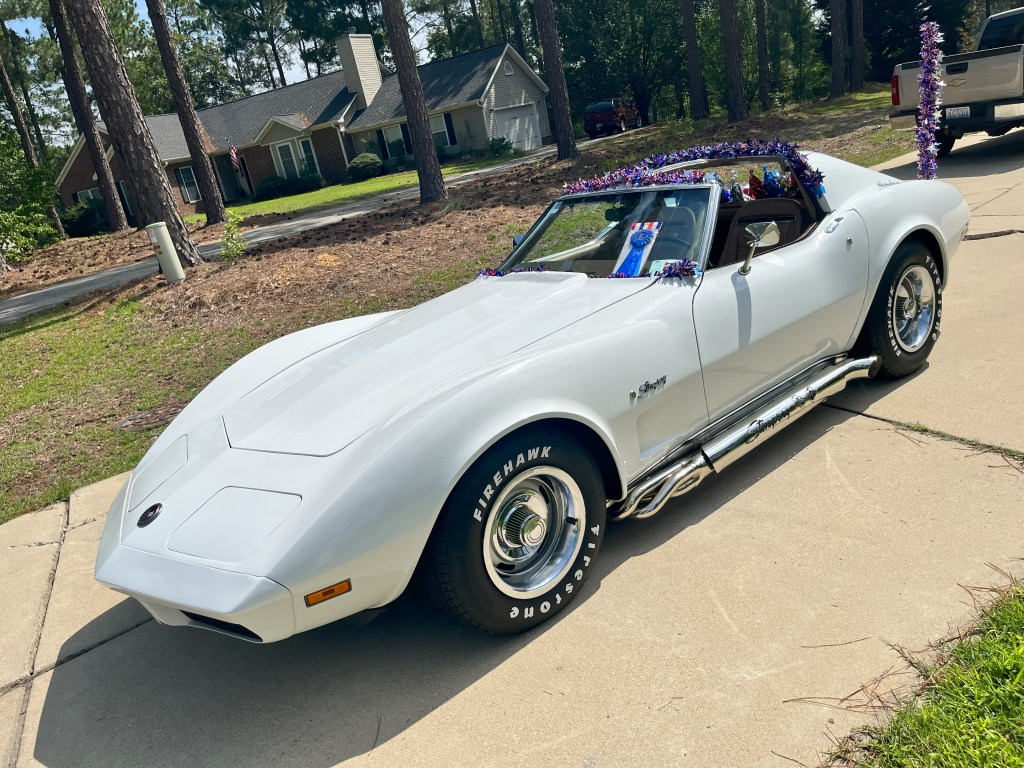
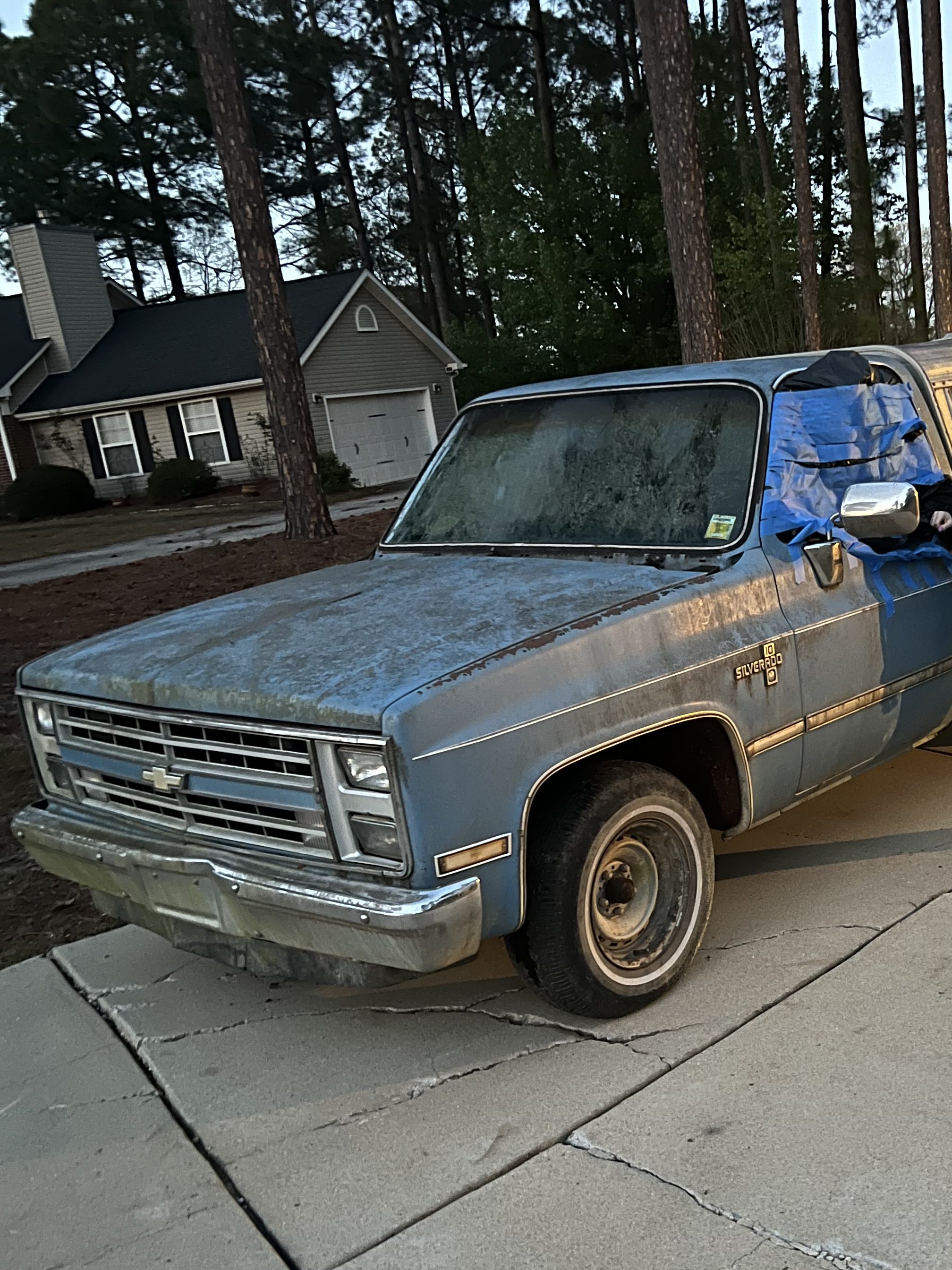
For as long as I can remember, the thought of working on cars has been a constant source of joy. For me, it’s more than just mechanics; it’s about connecting with history, storytelling, and the essence of each vehicle. My garage is home to two rides: “Daddy’s Race Car,” a 1974 Corvette affectionately named by my children, Ethan and Harper, and “Pee Paw’s Truck,” an 1986 Chevy C10 Square Body truck that once belonged to my wife’s grandpa. These aren’t just cars—they’re symbols of past memories and stories yet to be told.
The Challenge of Classics: A blend of art and science
Working on these classic vehicles is a unique challenge. Unlike modern cars with endless sensors and computers, older models require a deep connection—think visual inspections, auditory cues, and intuitive understanding. For instance, if my 1974 Corvette hesitates or jerks during acceleration, I know there’s likely an issue with the air-fuel-spark system, while blue smoke from the exhaust signals oil burning. These are signs that require not just mechanical knowledge but also a sensitivity to the vehicle’s cues—something that’s as much art as it is science.
The Struggle with Knowledge: Navigating an overwhelming landscape
One of the most frustrating aspects of working on classic cars is the overwhelming amount of information out there. Forums and manuals offer endless insights, but sifting through them can feel like searching for a needle in a haystack. Terms like “pinging,” “rough idle,” or “ticking” are often used to describe symptoms, but understanding what’s normal versus what’s abnormal requires years of experience—something that’s becoming rarer with each passing generation.
My Vision: Leveraging AI for Car Restoration
Given these challenges, I’ve been exploring how modern AI technologies could enhance my ability to work on and restore classic cars. As a data scientist, I’m familiar with the power of machine learning models, particularly Retrieval-Augmented Generation (RAG) systems, which combine the strengths of search engines with advanced language models to quickly find and understand relevant information.
AI as a Tool for Car Restoration: Beyond the Basics
I believe the first step in my journey is to set up a RAG system tailored specifically for car restoration. By consolidating information from various manuals and forums into a structured database, I can query this system to quickly identify the most relevant information when working on my cars. For example, if I suspect an issue with the fuel system of my Corvette, the AI can pull relevant sections from the manual or reliable forums to help me diagnose the problem.
The Importance of Verified Knowledge: Trusting the Source
However, not all information online is trustworthy. To ensure accuracy, I’m manually verifying and curating the knowledge base, focusing only on content that’s supported by reputable sources or experts in the field. This approach acknowledges that while AI can be a powerful tool, it must be guided by human judgment to avoid misleading or incorrect information.
My Approach: Building a Personal AI Assistant
Drawing on my experience in developing AI systems for enterprises, I’m confident in my ability to implement a local RAG system that fits my personal project. This system won’t just be limited to the information in manuals—it will also incorporate wisdom from forums and experienced mechanics who have contributed to the community. Over time, this AI assistant will become more refined, learning from my interactions with it and improving its ability to provide accurate and contextually relevant answers.
The Journey Ahead: Sharing Knowledge and Experience
As I progress, I plan to share my experiences and challenges in using AI for car restoration. This blog series will document my journey as I test and refine my approach, ultimately aiming to create a system that not only aids me in troubleshooting but also preserves and extends the knowledge needed to maintain these classic vehicles.
For me, this project isn’t just about fixing cars—it’s about bridging a generational gap in mechanical knowledge. By leveraging AI, I hope to create a resource that enthusiasts like me can use to learn from the wisdom of those who have spent decades working on and restoring vehicles like mine. It’s a way to honor the history of these cars and the people who have dedicated their time to mastering them while making it more accessible for the next generation.
Conclusion: The Synergy of AI and Human Expertise
In essence, my journey with AI is about finding new ways to connect with my passions. While I’m excited by the potential of this technology, I remain mindful of its limitations and the importance of human oversight. Together, AI and human expertise can create a powerful synergy—one that not only enhances my ability to work on cars but also ensures that the wealth of knowledge gained from these vehicles is preserved and shared for years to come.
 Thriving with AI
Leave a comment